Different briefs. Real problems.
Separate the problem as presented from the problem that is actually there. Design for the second one. Once that call is solid, the screens are the easy part.
 Senior Service and Product Designer · 2025–2026
The brief:
Need guest modeThe real problem: Make parents feel safe
Research that turned the roadmap. Parents feared their child could buy something; the login was simply where that fear showed.
Read the case Lead Designer, Navigation Vision · 2026
The brief:
Three customer typesThe real problem: Five lives under the labels
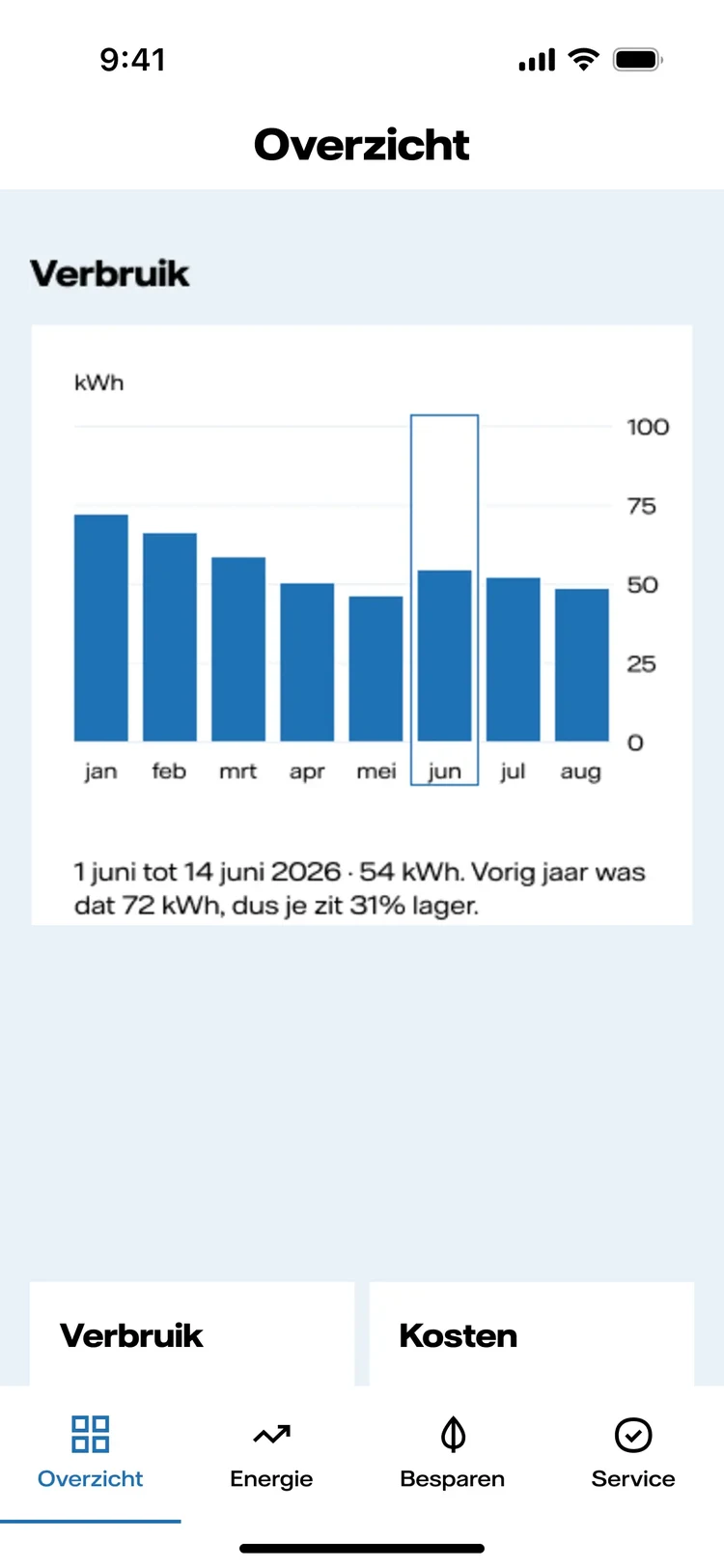
Vattenfall's three customer archetypes hid five different lives. I turned a two-year-old navigation vision into a validated prototype and a hi-fi redesign: one structure, with content that adapts to each.
Read the case Lead Service Designer · 2025–2026
The brief:
Form is too longThe real problem: Unfair value exchange
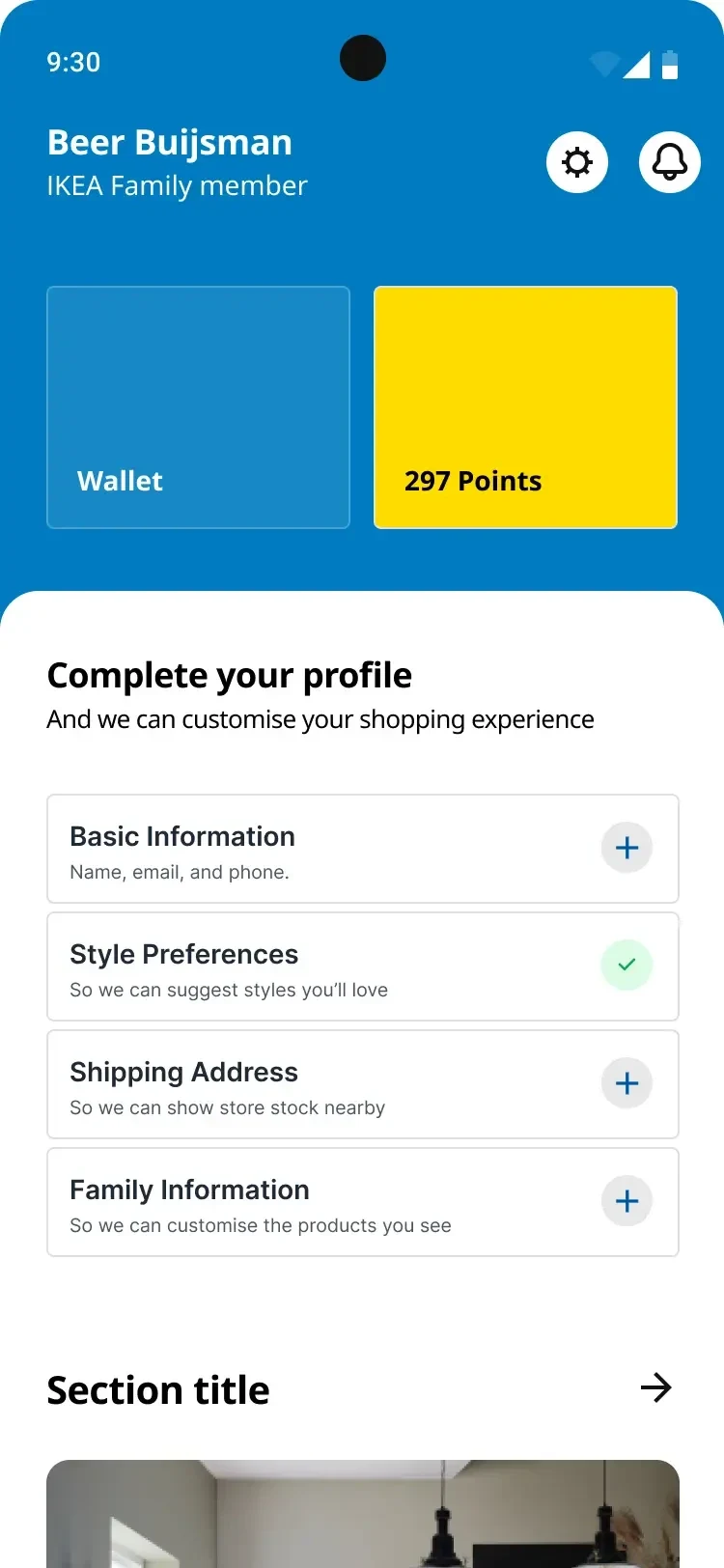
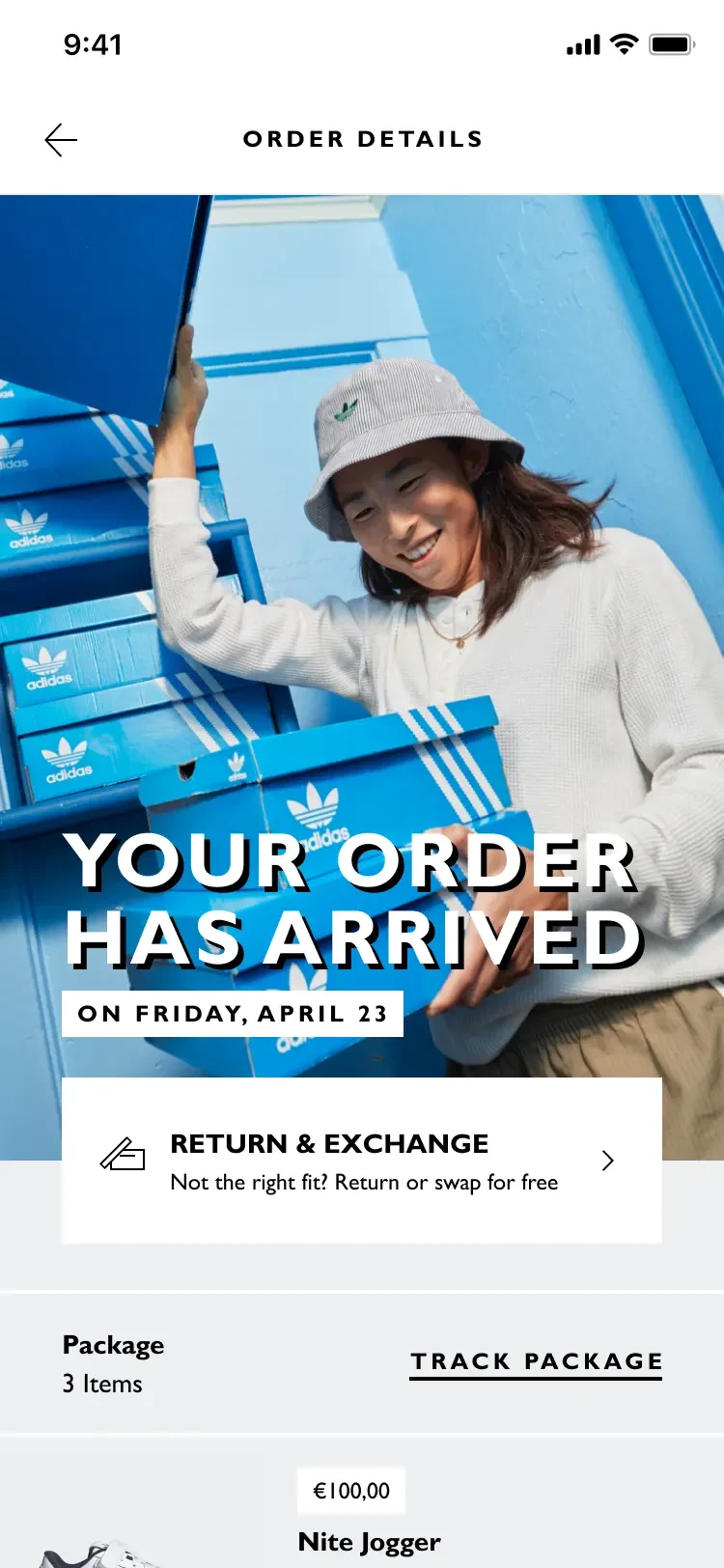
Signup looked like a form-length problem. It was fairness: the programme asked before it gave.
Read the case UX Lead Fun & Games · 2024–2025
The brief:
One feed for allThe real problem: Familiarity first
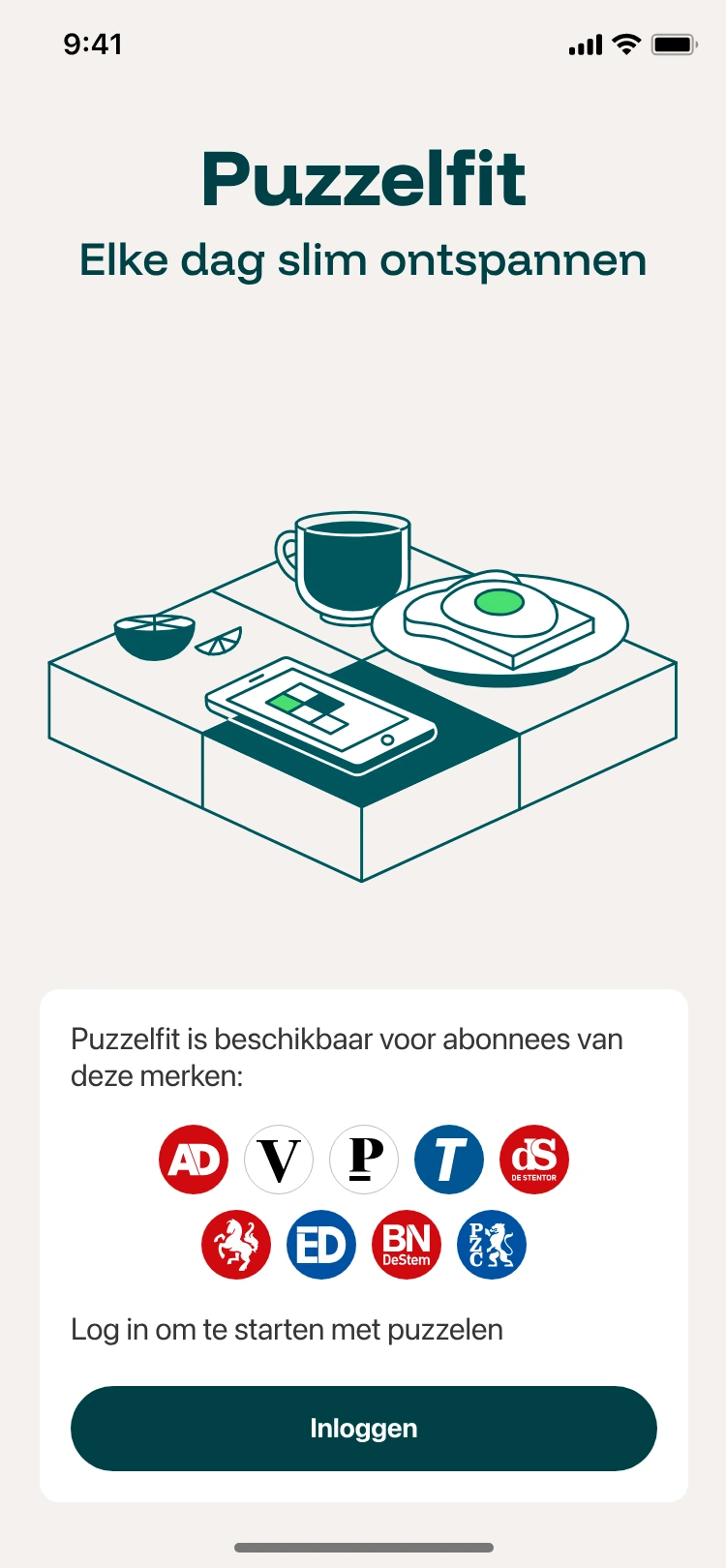
From concept to live in nine months. Now 150,000 daily users.
Read the case Lead Product Designer Personalisation · 2024
The brief:
More filtersThe real problem: Intent at neighbourhood
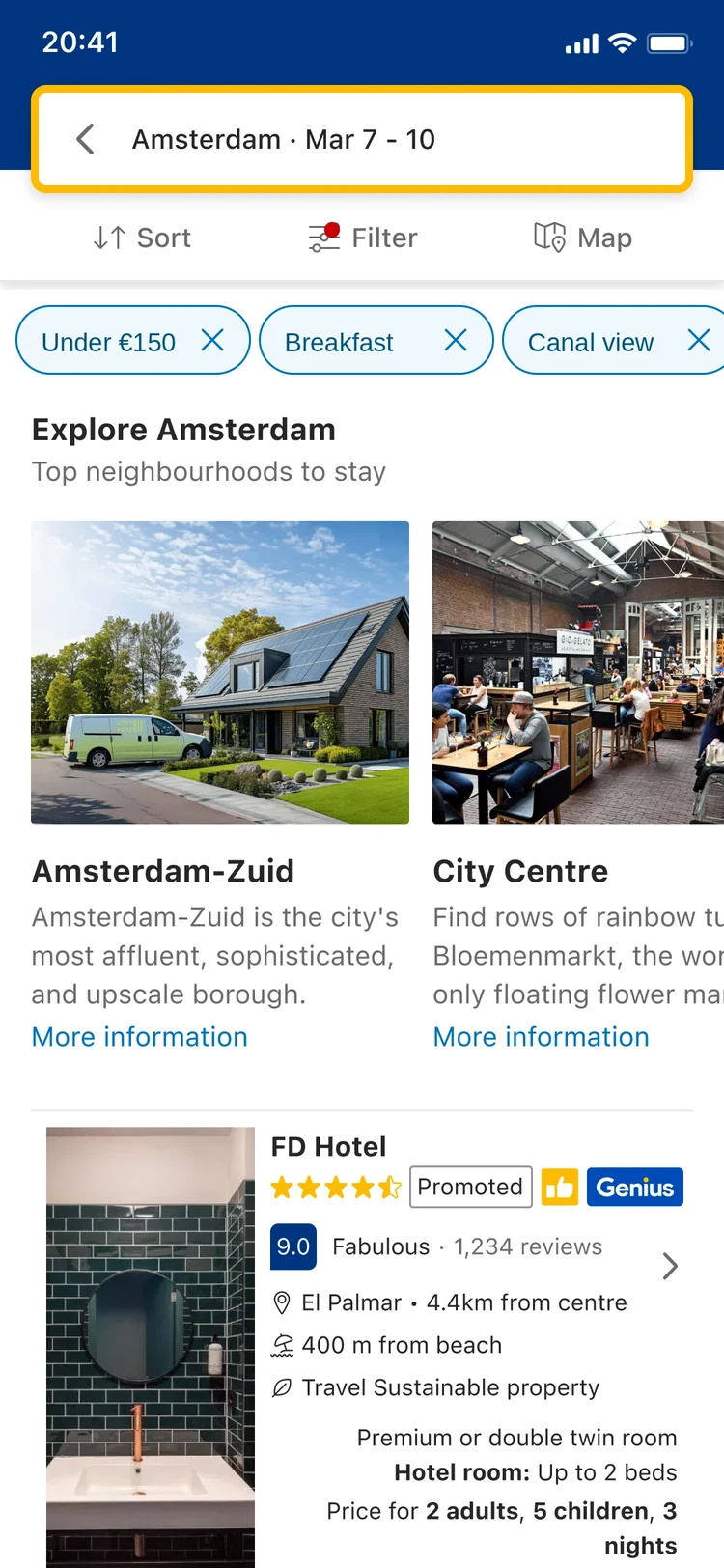
Filters tell you a budget, not a goal. The real question is which neighbourhood someone like you belongs in.
Read the case Lead Product Designer app · 2023–2024
The brief:
Redesign by tasteThe real problem: Quantify the leaks
Checkout debates ran on seniority. I put a price on every friction point and the arguing stopped.
Read the case Lead UX Sustainability & Education · 2022–2023
The brief:
Green storytellingThe real problem: Explain what it actually is
You can melt steel with solar power and still have to ship it to Sweden. A sustainability page that says so.
Read the case Design Operations Manager · 2021–2022
The brief:
Five teams, five backlogsThe real problem: One system, one redesign
Five teams, five PO backlogs, one website. The design system was the only thing that made them collaborate.
Read the case Lead UX Designer Coffee & Floorcare · 2020–2021
The brief:
Merge the appsThe real problem: Make setup work
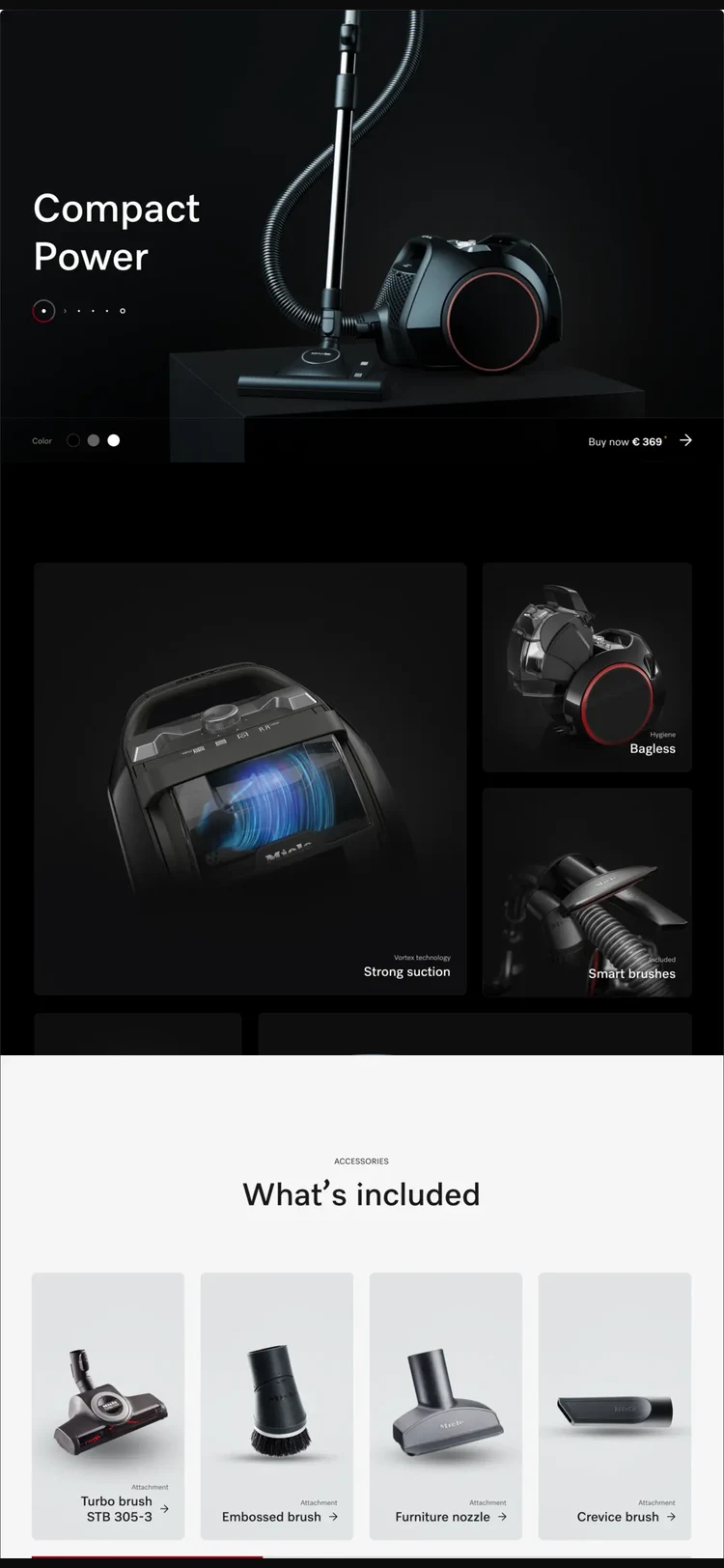
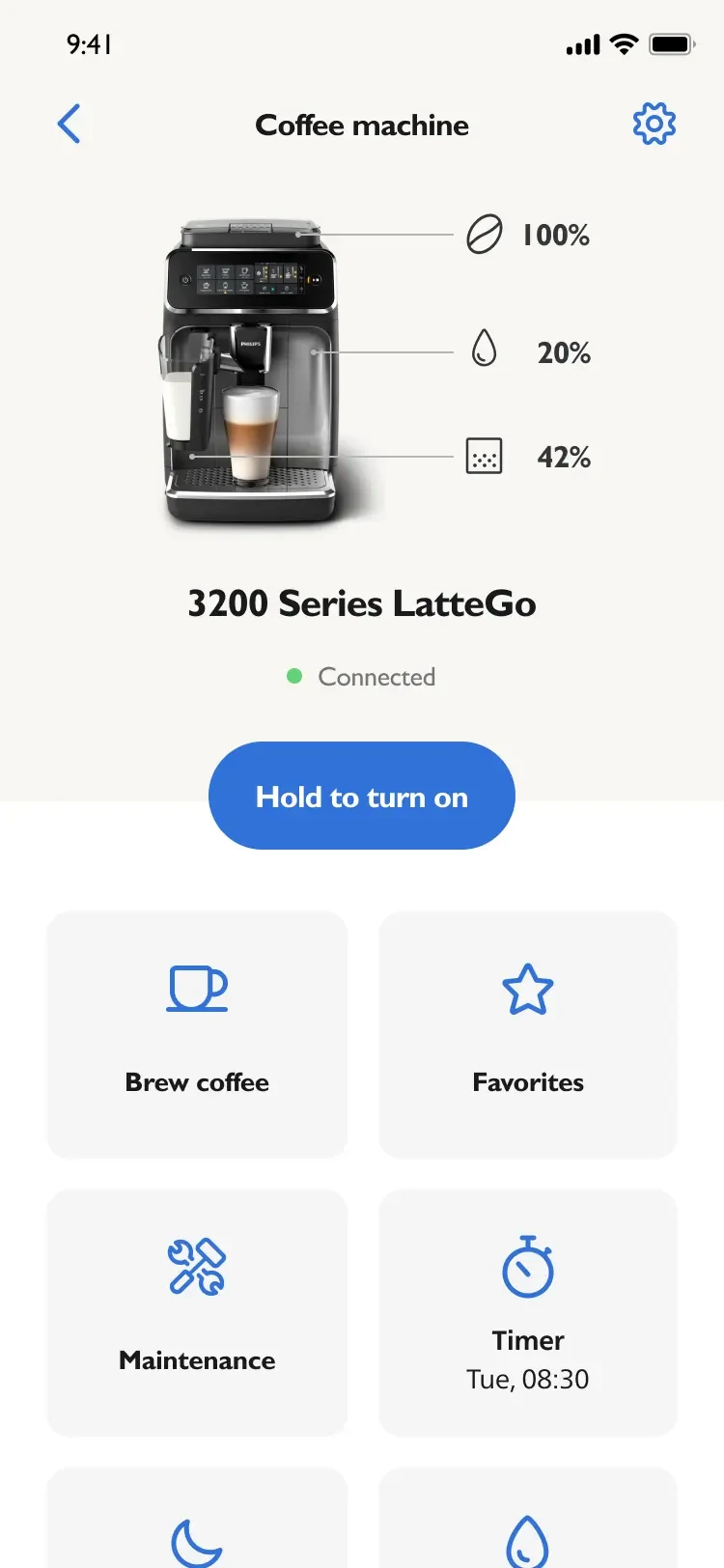
Every appliance had its own app. The real barrier was setting them up, and part of the fix sat in the hardware.
Read the case

Hold the thread from research to delivery.
Not a process poster. Just the habits that surface when the work is honest.
Early, or not at all
I want the research and validation seat, then I hold that line through shipping. Pure execution after the problem is framed is where I get dull and expensive.
Evidence beats opinion
When I push back, I bring interview proof, recalculated benchmarks, or a cheaper alternative. Guest mode, three neat archetypes: I call out the costumes.
Leave a system, not a hero
Living research docs, decision logs, Definitions of Done, handover packs a new team can run without me in the room. If the work dies when I leave, I failed the packaging.
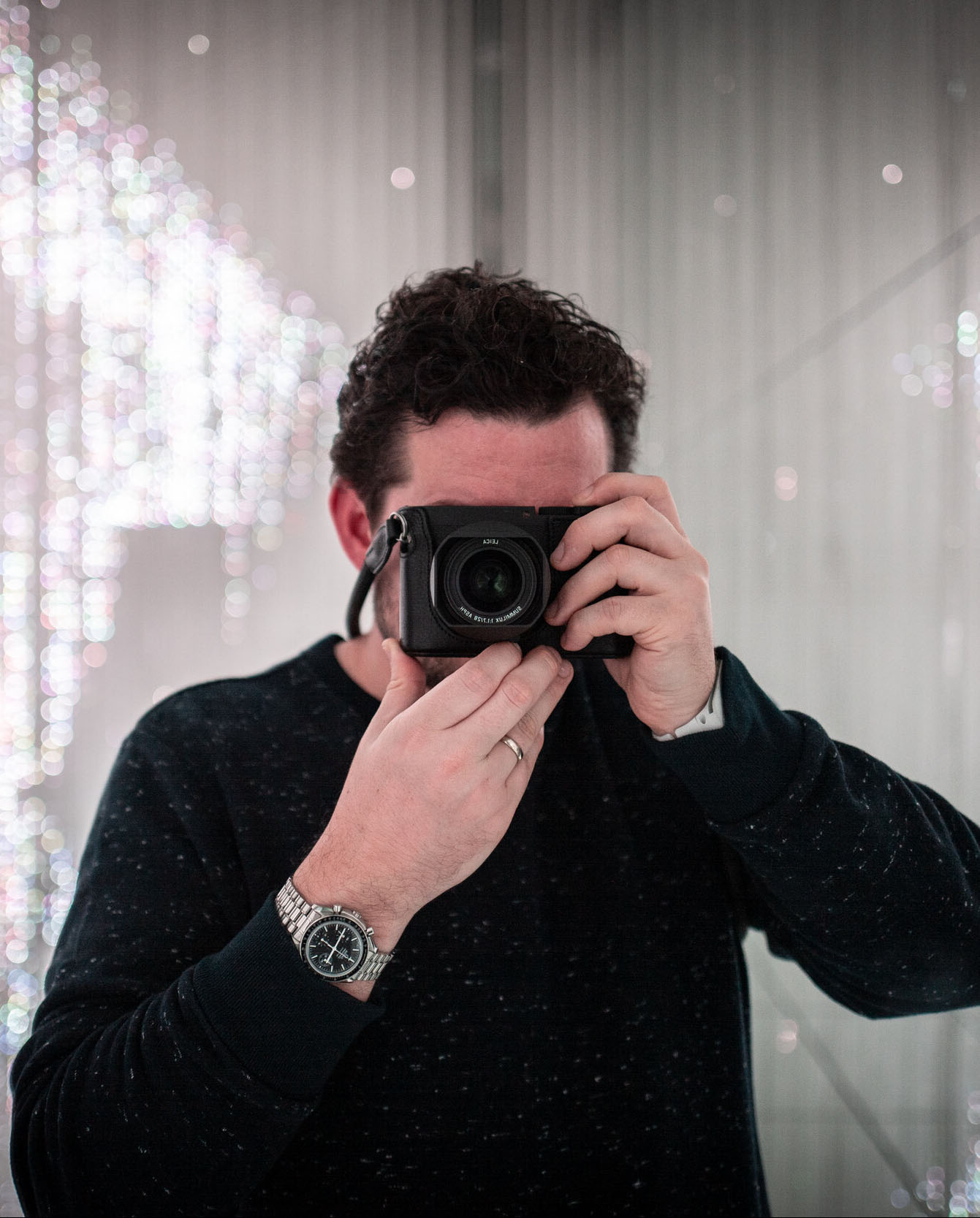
Beer Buijsman, De Oplosser.
For more than fifteen years as a freelancer, I’ve worked with bol.com, IKEA, Vattenfall, DPG Media, Booking.com, adidas, Philips, and plenty more. Every project, same approach. I go after the unsexy problems: why do signups stall, why does loyalty feel like homework, why is getting from A to B harder than it should be? The best design is invisible. The headaches, though, are obvious.
On the side, I build quieter infrastructure: Holon Sync for event platforms, EchoLab for fetal ultrasound QA, and a homelab that’s about three upgrades past sensible. In that lab we train an image model to recognise fetal measurements in ultrasound scans, so the QA work sits on something real instead of slideware AI. Plenty of that never touches Figma. It’s sync engines, model training, and whatever is actually broken.
I present the work by showing, not decorating slides. If there’s a sharp peer in the room who wants to argue, even better. When I’m not working, I’m mountain biking or gaming. If the weather’s bad, there’s always a movie to watch.
Rotterdam. Inbox open.
Product and service design, research that changes the roadmap, and the occasional system repair.
beer@deoplosser.nl